
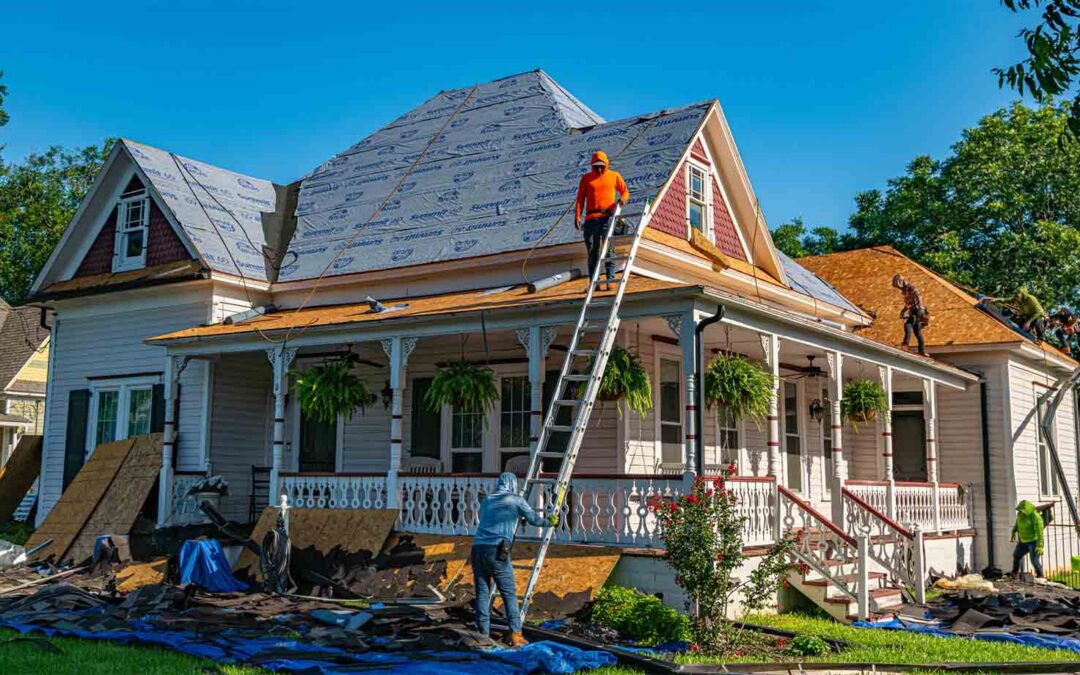
Think about your home today compared with a year ago.
Did you replace the roof? Remodel the kitchen? Finish the basement? Add a shed? Buy new furniture or electronics? Start working from home?
We tend to think about homeowners insurance when we buy a house—and then again when the renewal arrives. But your home can change considerably between those two moments.
Those changes may affect how much it would cost to repair or rebuild your home, the value of what’s inside it, or the risks associated with the property.
That’s why an annual homeowners insurance review can be so valuable.
At Staples & Associates Insurance, we help homeowners throughout North Bethesda, MD, Salisbury, MD, Harrington, DE, and surrounding communities review their coverage as their homes and lives change.
Here are some of the updates your insurance agent should know about.
- I Remodeled My Kitchen. Do I Need to Tell My Insurance Company?
A major renovation can increase the value and replacement cost of parts of your home.
Maybe you replaced builder-grade cabinets with custom cabinetry. Perhaps you installed stone countertops, upgraded appliances, changed the flooring, or completely reconfigured the room.
Your homeowners insurance was originally written based on information about your home at that time. If you’ve made substantial improvements since then, your existing dwelling coverage may no longer accurately reflect what it would cost to rebuild those improvements after a covered loss.
Kitchen and bathroom remodels, additions, finished basements, and other substantial renovations are all good reasons to contact your insurance agent.
And ideally, have the conversation before a major project begins. Renovation work itself can sometimes introduce insurance considerations that are worth discussing with your agent.
- Does a New Roof Affect Homeowners Insurance?
It can.
Your roof plays an important role in protecting your home from wind, rain, falling debris, and other weather-related damage.
If you’ve replaced your roof, tell your insurance agent. Depending on your insurance carrier and the type of roof installed, the update could affect how the property is evaluated or even your eligibility for certain discounts.
Your agent may want information such as:
- When the roof was replaced
- Roofing materials used
- Whether the entire roof was replaced
- Documentation or receipts from the project
Don’t assume your insurance company automatically knows that you’ve made the improvement.
- What If I Finished My Basement?
An unfinished basement used primarily for storage is very different from a finished space containing flooring, drywall, furniture, electronics, a home theater, or an additional bedroom.
If you’ve invested substantially in finishing your basement, your insurance agent should know.
It’s also a good opportunity to discuss water and flood coverage.
Homeowners are sometimes surprised to learn that different types of water damage are treated differently by insurance policies. For example, coverage for a sewer or drain backup is different from flood insurance, and standard homeowners insurance generally excludes flooding caused by rising surface water.
A basement renovation is a perfect time to ask:
“What happens if water gets into this space?”
Understanding the answer before you have a loss is much better than discovering it afterward.
- Do I Need to Insure a New Shed, Garage, or Other Structure?
Have you added anything outside your home this year?
Think about:
- A storage shed
- Detached garage
- Gazebo
- Fence
- Pergola
- Other permanent structures
Homeowners insurance typically includes a category of coverage known as other structures coverage, but policies have limits and conditions.
If you’ve invested in a significant new structure, don’t simply assume your existing coverage is sufficient.
Tell your agent what you’ve added and approximately what it would cost to replace.
- What About a Pool, Hot Tub, or Trampoline?
Some home improvements don’t just change the value of your property—they may also change your liability exposure.
Pools, hot tubs, and trampolines are good examples.
If you’ve added one to your property, talk with your insurance agent about how it affects your homeowners policy and liability coverage.
Your insurance company may have specific requirements or underwriting guidelines. Depending on your situation, this may also be a good time to discuss whether your existing personal liability limits are appropriate or whether a personal umbrella policy makes sense.
The key is disclosure.
Your agent can’t help you address a risk they don’t know exists.
- I Bought Expensive Jewelry, Electronics, or Collectibles. Are They Covered?
Your house isn’t the only thing that changes over time.
What’s inside your house changes too.
Maybe this year you purchased:
- Jewelry
- Artwork
- Collectibles
- High-end electronics
- Musical instruments
- Sports equipment
- Expensive tools
Homeowners policies provide personal property coverage, but certain categories of valuable property may have specific limits or coverage restrictions.
If you’ve made a significant purchase, ask your agent whether your standard personal property coverage is appropriate or whether an endorsement or scheduled coverage should be considered.
And while you’re at it, update your home inventory.
Photos, videos, receipts, serial numbers, and appraisals can be extremely helpful if you ever need to document your belongings after a covered loss.
- I Started Working From Home. Does That Affect My Insurance?
Working remotely on a laptop a few days a week is one thing.
Running a business from your home can be another.
If you’ve started a home-based business, your homeowners policy may provide limited—or potentially insufficient—protection for business equipment, inventory, and liability exposures.
Consider whether you:
- Store business inventory at home
- Have customers or clients visit
- Own expensive business equipment
- Receive deliveries regularly
- Employ anyone who works at your home
- Operate the business primarily from the property
If your home has also become your place of business, talk to your insurance agent about whether you need additional business insurance.
- Has Anyone Moved Into—or Out of—Your Home?
Sometimes the biggest change isn’t to the house itself.
It’s the people living there.
Marriage, divorce, adult children moving home, aging parents moving in, roommates, or other changes to the household may create insurance considerations.
Your agent should have an accurate picture of who lives in the home, who owns property there, and how the property is being used.
This is also particularly important if a home is no longer your primary residence or has become a rental, seasonal home, or vacant property.
Those situations can have very different insurance requirements.
- Have Construction Costs Changed Since You Bought Your Home?
Here’s something homeowners can overlook even when they haven’t changed their house at all:
The cost to rebuild it can change.
Your home’s market value and its replacement cost aren’t the same thing.
Market value is influenced by factors such as location, land, neighborhood, and housing demand.
Replacement cost considers what it could cost to reconstruct your home following a covered loss, including materials and labor.
If construction costs have increased significantly since your coverage was established, it’s worth reviewing your dwelling limit with your insurance agent.
You don’t have to remodel your house for its rebuilding cost to change.
How Often Should You Review Your Homeowners Insurance?
A good rule is to review your homeowners coverage at least once a year and whenever you experience a significant change.
Don’t wait for renewal paperwork to be the only conversation you have about your insurance.
Consider contacting your agent after:
- A major renovation
- A home addition
- A roof replacement
- Finishing a basement
- Adding a pool or other recreational feature
- Purchasing expensive personal property
- Starting a home business
- A significant household change
- Adding a detached structure
- Changing how the property is occupied
A brief conversation could uncover a coverage need you hadn’t considered.
Homeowners Insurance Reviews in Maryland & Delaware
Homes—and the risks surrounding them—aren’t identical from one community to another.
A homeowner in North Bethesda may have completed a major renovation that substantially changes the cost of rebuilding the property.
A homeowner in Salisbury may want to discuss renovations alongside storm, wind, and flood exposures on Maryland’s Eastern Shore.
A homeowner in Harrington may have added a detached garage, shed, equipment, or other property that wasn’t there when the homeowners policy was originally written.
Your insurance should reflect your home as it exists today, not simply the home you insured years ago.
Your Home Evolved. Your Insurance Should Keep Up.
You probably wouldn’t rely on an old photo to show someone what your home looks like today.
Your insurance shouldn’t be working from an outdated picture either.
At Staples & Associates Insurance, we can help you review your homeowners policy, discuss changes you’ve made to your property, and identify areas where your coverage may need to be updated.
Whether you need homeowners insurance in North Bethesda, Salisbury, Harrington, or elsewhere in Maryland or Delaware, an annual review can help you better understand what you’re protecting and how your policy would respond when you need it.
Contact Staples & Associates Insurance today to schedule a homeowners insurance review.
Staples & Associates Insurance is an independent insurance agency with locations in North Bethesda, Maryland, Salisbury, Maryland and Harrington, Delaware specializing in farm insurance, home insurance, auto insurance, life insurance, business insurance and more.
We provide personalized insurance solutions designed to protect farms, families, and businesses with coverage tailored to local risks and evolving industry changes. (410) 546-3999 | https://staplesagency.com/