
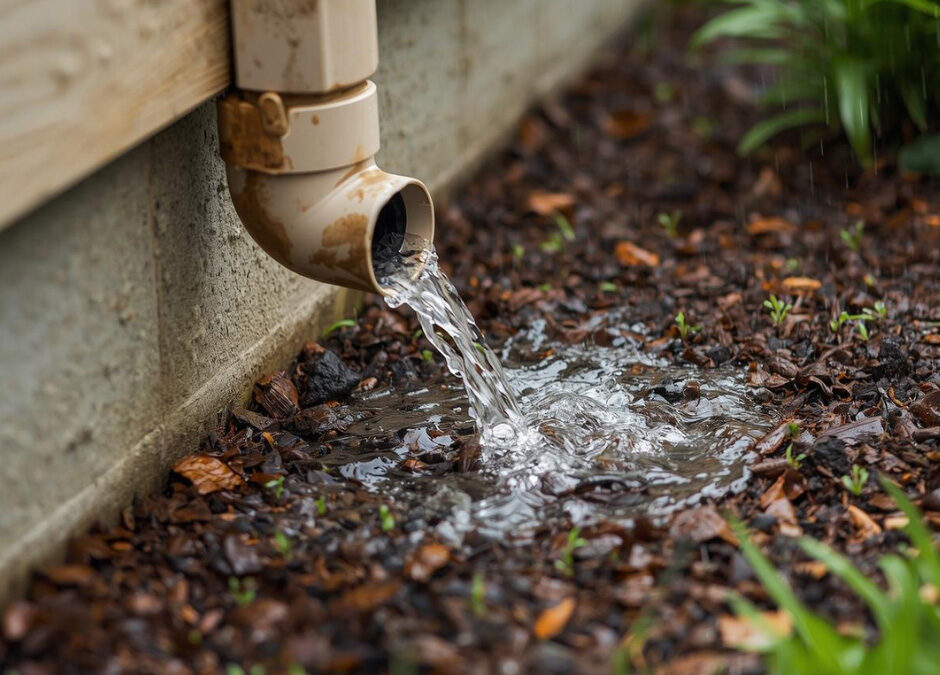
Flooding is one of the most common and costly causes of property damage in the United States. While many people associate floods only with heavy rain or hurricanes, water damage can occur in a variety of ways — some of which may surprise homeowners.
Understanding the different types of flooding and how insurance responds is critical to protecting your home and financial security.
- Rising Water (Traditional Flooding)
This is the type of flooding most people think of.
Rising water occurs when:
- Rivers, lakes, or streams overflow their banks
- Storm surge pushes seawater inland
- Prolonged rainfall saturates the ground
- Rapid snowmelt overwhelms drainage systems
Even just a few inches of rising water can cause tens of thousands of dollars in damage.
Important: Standard homeowners insurance policies typically do not cover flood damage caused by rising water. Coverage is usually provided through a separate Flood Insurance policy (often through the National Flood Insurance Program (NFIP) or private flood insurers).
- Heavy Rain and Surface Water Runoff
Intense rainfall can cause:
- Water pooling around foundations
- Water entering through doors, windows, or foundation cracks
- Storm drains backing up
- Sump pump failure
If water enters your home from the ground up — even if it’s from heavy rain — it is generally considered flood damage and not covered under a standard homeowners policy without flood insurance.
- Water Main Breaks
Municipal water main breaks can release massive amounts of water in a short period of time. This can result in:
- Flooded basements
- Foundation damage
- Structural shifting
- Soil erosion around the home
Coverage depends on how the policy defines the source of water and how it entered the home. If water enters from outside and accumulates on the ground before entering, it may be considered flood-related and excluded without flood insurance.
Each situation must be evaluated individually.
- Fire Hydrant Discharge or Malfunction
Flooding can also result from:
- A vehicle striking a fire hydrant
- A damaged hydrant releasing water under pressure
- Malfunction during testing or emergency use
Because hydrants are connected to municipal water systems, large volumes of water can quickly flood nearby structures.
Coverage may depend on whether the water is considered surface water or a sudden and accidental discharge. Policy language is critical in determining how a claim would be handled.
- Sewer and Drain Backups
Sewer backups can occur due to:
- Heavy rainfall overwhelming municipal systems
- Blocked sewer lines
- Tree root intrusion
- Aging infrastructure
This type of flooding can cause significant damage and health hazards.
Most homeowners policies require a special endorsement (often called Water Backup Coverage) to cover damage from sewer or drain backups. Without this endorsement, coverage is typically excluded.
- Burst Pipes (Interior Plumbing Failures)
Unlike rising water, burst pipes inside the home are usually covered under a standard homeowners policy if the damage is sudden and accidental.
Examples include:
- Frozen pipes that burst
- Washing machine hose failures
- Water heater ruptures
- Ice maker line leaks
However, long-term leaks due to neglect or maintenance issues are typically not covered.
- Appliance and Equipment Failures
Flood-like damage can also result from:
- Dishwasher overflow
- HVAC system leaks
- Water softener malfunctions
- Sump pump failure
Some of these losses may be covered, but sump pump failures often require a specific endorsement for coverage.
- Construction or Grading Issues
Improper grading or nearby construction can redirect water toward a home, causing:
- Foundation seepage
- Crawlspace flooding
- Basement water intrusion
If the water originates from outside and enters at ground level, it is often categorized as flood damage.
Why Flooding Is So Expensive
Flood damage is particularly destructive because it affects:
- Structural components (drywall, flooring, framing)
- Electrical systems
- HVAC systems
- Personal property
- Mold development
Additionally, floodwater can carry contaminants, increasing remediation costs.
Just one inch of water can cause significant damage — and several inches can make a home temporarily uninhabitable.
The Insurance Gap Many Homeowners Overlook
One of the biggest misconceptions in insurance is:
“My homeowners policy covers flood damage.”
In most cases, it does not.
Homeowners insurance typically covers:
- Sudden and accidental internal water damage
- Certain plumbing failures
But it does not cover:
- Rising water
- Surface water
- Storm surge
- Groundwater intrusion
Flood insurance must be purchased separately.
Protecting Your Property
To reduce your risk:
- Consider purchasing flood insurance — even if you are not in a high-risk zone
- Add sewer backup coverage
- Maintain gutters and downspouts
- Ensure proper grading around your home
- Inspect plumbing and appliance hoses regularly
- Install a sump pump with battery backup
Flooding does not only happen in coastal areas or designated flood zones. In fact, a significant percentage of flood claims occur outside high-risk flood areas.
Final Thoughts
Flooding can happen in many ways — from rising rivers to water main breaks, heavy rains, hydrant failures, or sewer backups. Understanding how each type of water damage is categorized under your insurance policy is essential.
If you are unsure whether you have adequate protection, now is the time to review your coverage.
Water damage happens quickly. Being properly insured makes recovery possible.